“How long is this going to take?”
It’s one of the first questions families ask and the honest answer is:
Longer than you think… but smoother than you expect with the right help.
A senior move isn’t just about moving belongings from one place to another. It’s a multi-step process that involves decisions, coordination, and emotional transitions.
At Your Tasks Our Time, we guide families through this every day. Here’s a realistic look at the timeline and what actually impacts it.
The Short Answer
Most senior moves take anywhere from 2 to 6 weeks from start to finish.
But that range depends on several key factors and no two moves are exactly the same.
Phase 1: Downsizing & Sorting (1–4 Weeks)
This is the most time-intensive part of the process and the most underestimated.
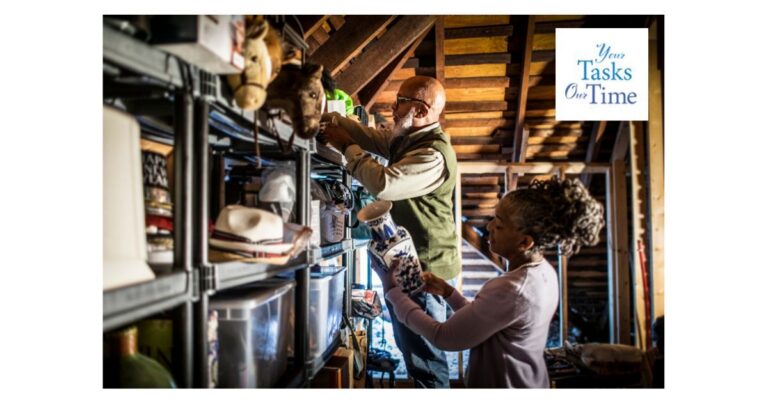
We’re helping clients sort through:
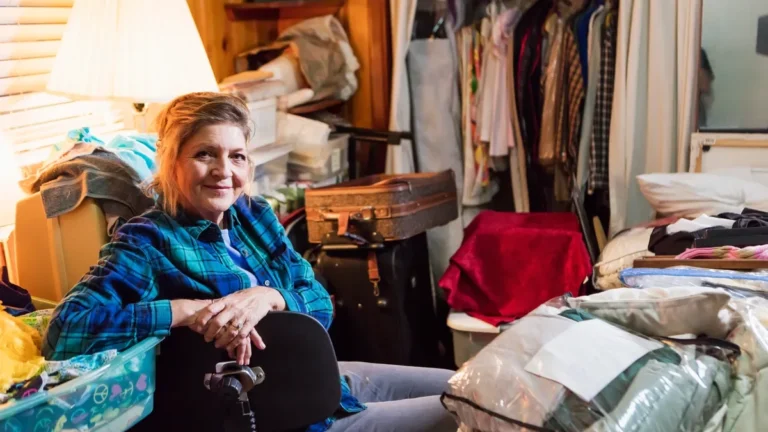
- Decades of belongings
- Important documents
- Sentimental items
- Furniture that may or may not fit in the new space
Every item requires a decision.
Some clients move through this quickly. Others need more time and that’s okay.
What impacts timing:
- Size of the home
- How long they’ve lived there
- Emotional readiness to let go
- How often we’re working together each week
Rushing this phase often leads to regret or conflict, so we approach it thoughtfully.
Phase 2: Planning & Coordination (1–2 Weeks, Often Overlapping)
While downsizing is happening, there’s a lot being coordinated behind the scenes.
This includes:
- Scheduling movers
- Coordinating donation and clean-out services
- Aligning with realtors or home sale timelines
- Preparing the new residence
This phase is where experience really matters. The goal is to keep everything moving forward without last-minute surprises.
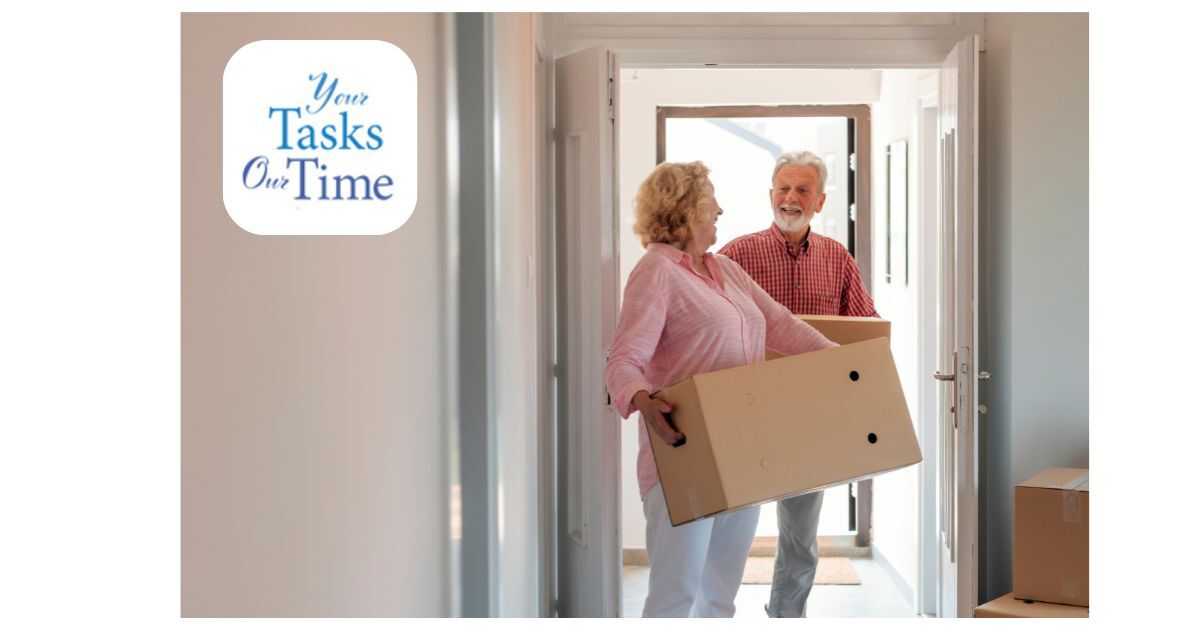
Phase 3: Move Day (1 Day)
The actual move typically happens in a single day.
But it’s not just about loading and unloading boxes.
We:
- Oversee the movers
- Ensure items are handled properly
- Troubleshoot in real time
- Keep everything running on schedule
For families, this is often the most stressful day unless they have someone managing it for them.
Phase 4: Unpacking & Settling In (1–3 Days)
This is the part many people don’t plan for and it makes all the difference.
We don’t just unpack. We set up a home.
That means:
- Furniture is placed intentionally
- Beds are made
- Kitchens are fully functional
- Personal items are arranged with care
Our goal is simple:
When our client walks in, it already feels like home and they can just start living their lives.
What Can Extend the Timeline?
Some moves take longer and there are very valid reasons why.
Common factors include:
- Larger homes with more belongings
- Tight deadlines due to a home sale or health event
- Family members with differing opinions
- High sentimental attachment to items
- Waiting on availability for communities or services
This is why having a flexible, guided plan matters more than a rushed one.
What We See Most Often
Families start out thinking:
“We can probably do this in a weekend.”
And then reality sets in.
They’re balancing:
- Work and family responsibilities
- Emotional conversations with a parent
- A long list of logistics they didn’t anticipate
That’s usually when they call us.
Where We Come In
At Your Tasks Our Time, we streamline the entire process.
We:
- Create a clear, step-by-step plan
- Keep everything moving on schedule
- Handle the details families don’t have time for
- Reduce stress, overwhelm, and conflict
Most importantly, we meet our clients where they are, emotionally and practically.
Final Thoughts
A senior move isn’t just about how long it takes.
It’s about how it feels along the way.
With the right support, it can feel calm, organized, and even empowering.
Without it, it often feels overwhelming and rushed.
A Direct Ask
We specialize in helping seniors (65–105) who are:
- Downsizing from a long-time home
- Moving into a senior community
- Feeling overwhelmed and unsure where to begin
If you know a family asking, “How long is this going to take?”That’s the perfect time to connect us.
Referrals from realtors, senior living communities, healthcare professionals, and families allow us to support more people through this transition with care and dignity.