When a senior moves from a longtime family home into a senior living community, the apartment may be smaller, but the emotions are anything but small.
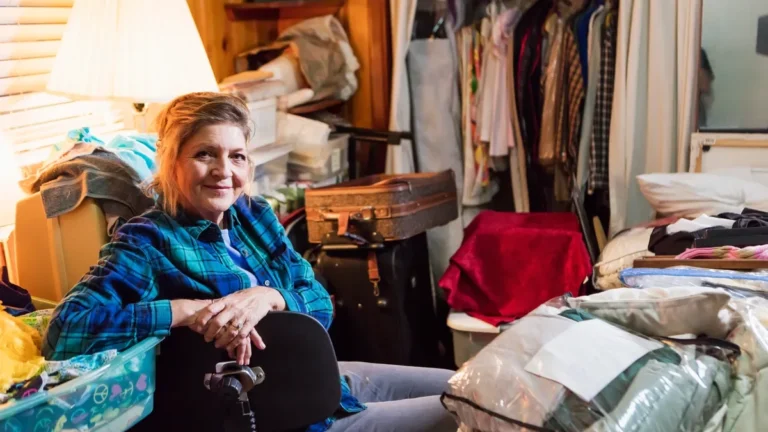
For many older adults, this isn’t simply a move. It’s the loss of familiar rooms, routines, favorite furniture, and decades of memories. Walking into a new apartment filled with boxes can feel more like a reminder of what was left behind than a place to begin a new chapter.
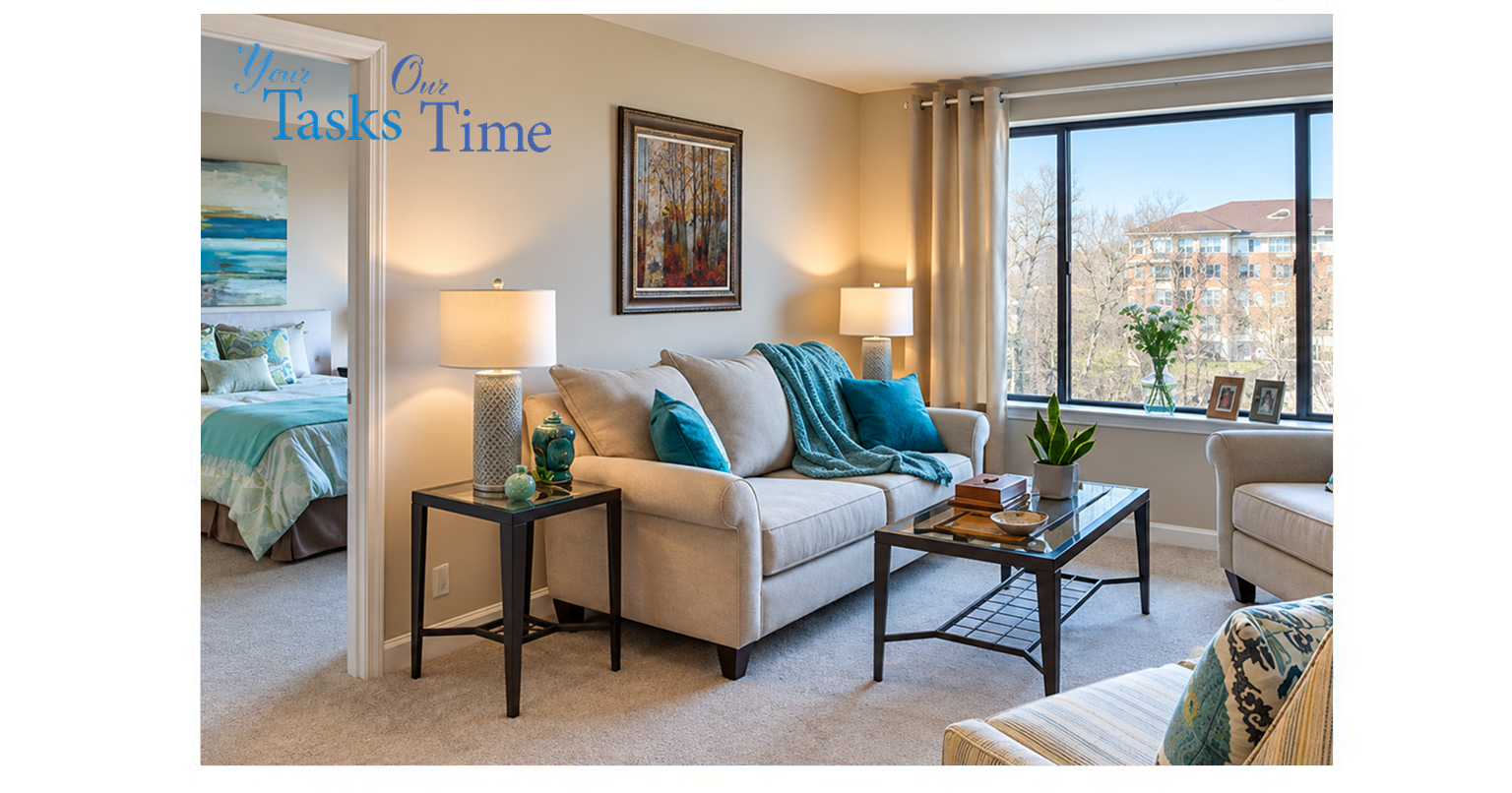
The good news? A senior living apartment can absolutely feel like home. The key is to focus less on how much you can fit into the space and more on what makes the space feel familiar, comfortable, and uniquely theirs.
1. Bring the Furniture That Matters Most
One of the biggest mistakes families can make is thinking they need to furnish the apartment entirely with new, smaller furniture.
Sometimes new furniture is necessary. But whenever possible, bring pieces that already have meaning. That favorite recliner. The bedroom dresser they’ve had for 40 years. A familiar end table. The dining table where family gathered for holidays. These aren’t just pieces of furniture. They’re anchors to a familiar life.
You may not be able to bring everything, but choosing a few important pieces can make an unfamiliar apartment feel immediately more recognizable.
Ask them, “what would you miss the most?” That’s often a better question than, “What will fit?”
2. Recreate Familiar Spaces
A smaller apartment doesn’t have to mean an entirely different lifestyle. Think about how your loved one’s previous home was arranged. Where did they sit to watch television? Where did they keep their favorite books? Where did they drink their morning coffee? Did they have a special chair beside a window?
Try to recreate those familiar routines in the new space.
For example:
- Place their favorite chair where they can see the television or look out a window.
- Create a small reading area with their lamp and favorite books.
- Set up a coffee station near their usual morning spot.
- Put family photographs where they can easily see them.
- Keep frequently used items within easy reach.
Familiarity is comforting. When the surroundings make sense, the transition can feel much less overwhelming.
3. Don’t Underestimate the Power of Pictures
Photographs can transform a room almost instantly. Instead of putting every photograph into storage, choose a handful that tell the story of the person’s life.
Wedding photographs. Children and grandchildren. Family vacations. Favorite pets. Special celebrations. Consider creating a small gallery wall or placing framed photographs throughout the apartment rather than putting them all in one location.
The goal isn’t to decorate the apartment like a showroom. It’s to make sure the person sees their life reflected around them.
4. Organize for the Life They’re Living Now
Moving into a smaller apartment usually means there is less storage space. That makes organization especially important. But organizing a senior living apartment isn’t about making everything look perfect. It’s about making everyday life easier.
Think about what they use every day:
- Clothing
- Toiletries
- Medications
- Kitchen supplies
- Books
- Hobbies
- Important paperwork
- Favorite snacks
- Mobility equipment
Put frequently used items where they’re easy to reach. Avoid putting everyday necessities in difficult-to-access cabinets or overly high shelves. And don’t fill every available storage space simply because it’s there. Empty space is useful, too.
5. Unpack With Purpose
When families are helping with a move, there’s often a temptation to unpack everything as quickly as possible. But speed isn’t always the goal. Instead, think about what needs to be ready first.
The bedroom should be comfortable.
The bathroom should be functional.
Favorite clothing should be accessible.
The kitchen or coffee area should be ready for the first morning.
The television should work.
Favorite photographs and meaningful belongings should be visible.
Once those essentials are in place, the apartment can be finished gradually. A senior shouldn’t have to wait until every box is unpacked before the apartment starts feeling like home.
6. Create Familiar Routines Right Away
Sometimes it’s not the furniture that makes a place feel like home. It’s the routine.
Encourage your loved one to continue familiar habits whenever possible. Maybe that’s morning coffee while reading the newspaper. Watching a favorite television program in the evening. Calling a family member on Sunday. Having lunch with a friend.
Even something as simple as using the same coffee mug every morning can provide a comforting sense of continuity. The address has changed, but their life doesn’t have to change completely.
7. Resist the Urge to Make It Perfect
This may be one of the most important pieces of advice for families. You don’t have to create a picture-perfect apartment on move-in day. There may be things that need to be rearranged.
A piece of furniture may turn out to be in the wrong place. A drawer may need reorganizing. Something that seemed important before the move may not be needed after all. Give the space and the person time to adjust. Live in the apartment for a few weeks before making major changes. You’ll learn what works.
8. Remember That “Settling In” Is Part of the Move
Getting a senior from one address to another is only one part of a successful move. The other part is helping them settle into their new life.
That might mean hanging pictures, arranging furniture, organizing closets, setting up the kitchen, making the bed with familiar linens, putting toiletries away, or simply making sure the favorite chair is in exactly the right spot. These seemingly small details can make an enormous difference.
A Move Shouldn’t End with Boxes
At Your Tasks – Our Time, we believe that moving a senior isn’t just about getting belongings from one home to another. It’s about helping someone feel comfortable, confident, and at home in their new surroundings.
Our settling-in services can include unpacking, organizing, arranging furniture and personal belongings, and creating familiar spaces that make a new apartment feel less like a new apartment and more like home.
Because home isn’t where the boxes are. Home is where your life begins to feel familiar again. And, sometimes, that’s the most important part of the move.