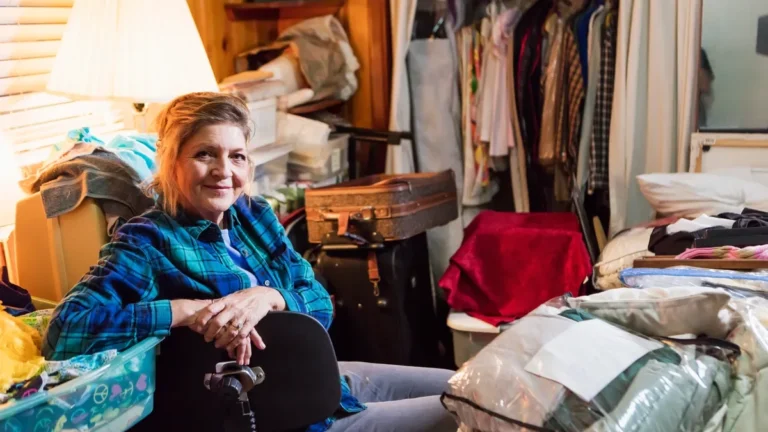

When a senior is preparing to move from a longtime family home into a smaller apartment, one of the first questions is often, what are we going to do with all this stuff?
It can be an overwhelming question. After decades in the same home, there may be furniture, photographs, dishes, books, holiday decorations, tools, collections, and countless other belongings. And suddenly, it seems like everything must be decided. But downsizing doesn’t mean getting rid of everything. It means deciding what matters most for the next chapter of life.
Start With the Person, Not the Space
It’s tempting to begin with measurements.
What will fit?
How many closets are there?
How much storage do we have?
Those questions matter, but they’re not the best place to start.
Start by asking:
What is important to you?
The goal isn’t to create a perfectly empty apartment. The goal is to create a home that reflects the person who lives there. That may mean bringing a favorite recliner, a bedroom dresser, a collection of family photographs, or the dining table where generations gathered for holidays. The space may be smaller, but the new home can still feel like their home.
Ask What They Would Miss
When deciding what comes along, one of the most helpful questions is: If this doesn’t come with you, will you miss it?
Sometimes the answer is immediate. Sometimes it takes a little thought. And sometimes the answer is surprising.
An item that looks unimportant to everyone else may hold tremendous meaning for the person moving. That’s why family members shouldn’t assume they know what should stay and what should go. What looks like “just an old chair” may be the chair where someone rocked their children. What looks like a box of old papers may contain letters from a spouse who is no longer living. What looks like too many dishes may be the dishes used for every family holiday. The value of an item isn’t always measured by its age, price, or appearance.
Separate Sentimental from Practical
Not everything needs to have a practical purpose. Some belongings are valuable because they tell a story. At the same time, not every sentimental item needs to make the move. This is where thoughtful downsizing comes in. Instead of asking, should we keep this or get rid of it? Consider asking:
Is there another way to preserve what this means to us?
Could a few pieces from a collection be displayed?
Could photographs be organized into an album?
Could family members choose a few meaningful items?
Could an heirloom be passed to someone who will appreciate it now?
Could an item be photographed before it is let go?
There are often more choices than simply keep or discard.
Don’t Let the New Space Make Every Decision
Yes, space matters. But it won’t fit doesn’t automatically mean it has to go. Sometimes furniture can be rearranged. Sometimes one larger piece can replace several smaller pieces. Sometimes an item can be moved to another family member’s home. And sometimes something truly does need to be let go.
The important thing is to make those decisions thoughtfully rather than rushing through them simply because the move is approaching.
Give Yourself Permission to Take Your Time
One of the biggest mistakes families can make is trying to make every decision in one weekend. Downsizing a home where someone has lived for decades is not a weekend project. There are practical decisions, emotional decisions, family conversations, and sometimes difficult memories involved.
If possible, start early.
Give the senior time to tell stories.
Give family members time to understand what matters.
Give everyone time to process the changes.
A little extra time can make a tremendous difference.
Be Careful with the Word “Clutter”
What one person considers clutter may be deeply meaningful to another person. That doesn’t mean everything needs to be kept. It means we need to be thoughtful about how we approach the conversation.
Instead of:
You have way too much stuff.
Try:
Let’s look at what you use, what you love, and what you’d like to have with you in your new home.
The second conversation creates partnership instead of judgment. And that can make downsizing much less stressful.
Let the Senior Have a Voice
Whenever possible, the person moving should have a voice in what happens to their belongings. Family members may have good intentions. They may see things more clearly from the outside. They may even be worried about safety or the amount of work involved. But this is still someone’s home, history, and life.
The goal isn’t simply to make the process easier for everyone else. It’s to help the senior move forward with dignity.
Downsizing Can Be About Carrying the Right Things Forward
At the end of the process, downsizing isn’t really about how much you got rid of. It’s about what you chose to carry forward.
The favorite chair.
The family photographs.
The recipe box.
The quilt.
The books.
The holiday decorations that make Christmas feel like Christmas.
The little things that say, “This is me. This is my life”.
A smaller home doesn’t have to mean a smaller life. It can simply mean creating more space for the things that matter most now.
A Thought to Carry with You
When helping someone downsize, don’t start by asking:
What can we get rid of?
Start with:
What do you want to take with you into your next chapter?
That small change in perspective can make a difficult process feel much more personal, respectful, and manageable.
At Your Tasks – Our Time, we understand that downsizing is about much more than belongings. It’s about memories, identity, family, and change.
Our job is to help clients make thoughtful decisions about what comes with them, what can be passed along, what can be sold or donated, and what can finally be let go.
Because downsizing isn’t about getting rid of a life. It’s about making room for the next chapter.